Get Plaster Patching
Plaster patching services address cracks, holes, and damaged walls, helping property owners restore smooth, seamless surfaces through the work of experienced local contractors.
If your property has cracks, holes, or uneven patches in its plaster surfaces, professional patching services can help restore a smooth, finished look. Property owners often seek these services to improve the appearance of interior and exterior walls, prevent further damage, and maintain the overall value of their space. Exploring options with experienced local contractors ensures that the repair work is tailored to the specific needs of your property, providing a reliable solution to common plaster issues.
Choosing the right service provider involves comparing local contractors who specialize in plaster patching to find the best match for your project. Whether addressing minor imperfections or more extensive damage, connecting with experienced professionals can help ensure the work is completed to a high standard. Keep reading to discover how local experts can assist with your plaster repair needs and help you plan your project effectively.
- Interior wall repairs - homeowners may need plaster patching when walls develop cracks, holes, or surface damage.
- Ceiling restoration - ceiling areas requiring patching often occur after water damage or structural issues.
- Commercial space updates - businesses may seek plaster patching to address wear, holes, or surface imperfections in their premises.
- Renovation projects - renovation work can involve patching old or damaged plaster surfaces to prepare for finishing.
- Emergency repairs - urgent plaster patching is needed after accidental damage or unexpected structural issues.
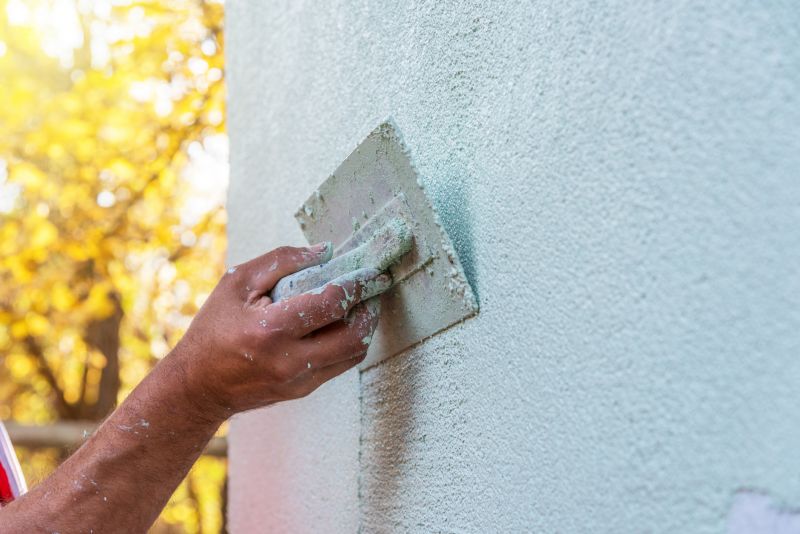
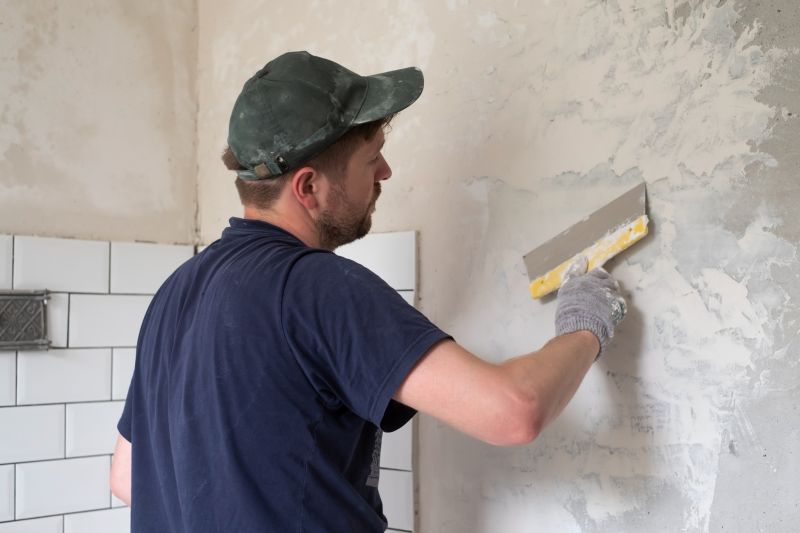
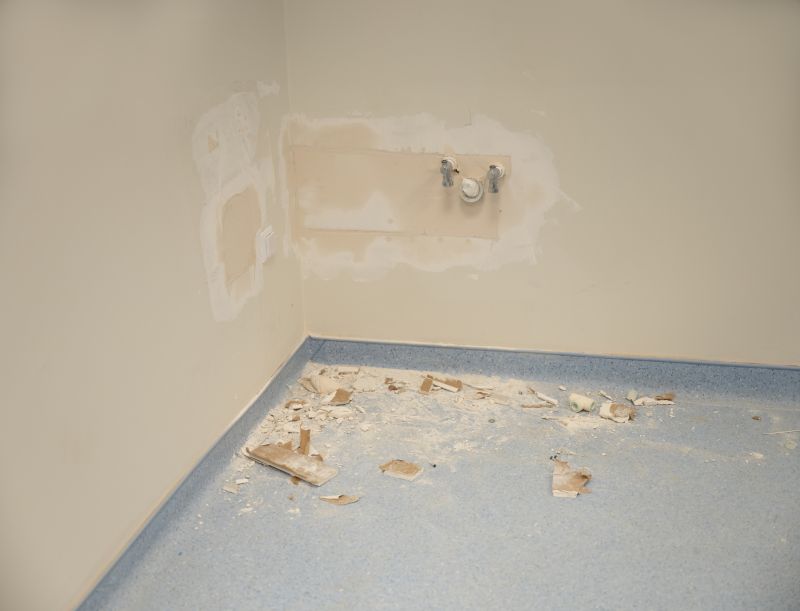
Plaster patching services involve repairing damaged or deteriorated areas of interior or exterior plaster surfaces. This process typically includes removing loose or crumbling plaster, preparing the underlying wall or ceiling, and applying new plaster or patching compounds to restore a smooth, even finish. Skilled contractors use specialized tools and techniques to ensure that patches blend seamlessly with the surrounding surface, helping to improve both the appearance and integrity of the wall or ceiling.
This service is particularly useful for addressing a variety of common problems such as cracks, holes, or surface bulges that can develop over time due to settling, impact, or moisture issues. Patching can also help prevent further damage by sealing up small weaknesses before they worsen. Whether caused by accidental impacts, natural wear and tear, or minor structural shifts, plaster patching provides a practical solution to maintain a property’s aesthetic appeal and structural soundness.
Plaster patching services are often needed in residential properties, including single-family homes, apartments, and condominiums. These services are suitable for interior walls and ceilings that show signs of damage or aging, as well as exterior walls that may have been compromised by weather or other environmental factors. Commercial buildings, rental units, and historic homes also frequently require plaster repairs to preserve their appearance and value. Property owners seeking to keep their spaces looking well-maintained often turn to local contractors for professional plaster patching.
Homeowners typically consider plaster patching when they notice visible cracks, holes, or uneven surfaces that detract from their property’s appearance. It’s also a common step when preparing a space for painting or wallpapering, as smooth surfaces provide the best results. Addressing plaster issues promptly can help prevent more extensive repairs down the line, making it a practical choice for maintaining the condition and value of a home or property. Local service providers are available to assess the damage and deliver expert patching solutions tailored to each property’s needs.
The overview below groups typical Plaster Patching projects into broad ranges so you can see how smaller, mid-sized, and larger jobs often compare in your area.
In many markets, a large share of routine jobs stays in the lower and middle ranges, while only a smaller percentage of projects moves into the highest bands when the work is more complex or site conditions are harder than average.
Smaller Repairs - Typical costs for minor patching jobs usually fall between $250 and $600. Many routine repairs in residential settings land within this range, depending on the extent of damage and surface area.
Moderate Patching - Larger, more involved patching projects generally cost between $600 and $1,500. These jobs often include multiple areas or more extensive damage, with fewer projects reaching the higher end of this range.
Large-Scale Repairs - Extensive patching or repair work can range from $1,500 to $3,500, especially when multiple surfaces or larger areas are involved. Such projects are less common but may be necessary for significant damage.
Full Wall or Surface Replacement - Complete surface replacements or major overhauls typically cost $3,500 and above, with larger, more complex projects potentially exceeding $5,000. Local contractors can provide precise estimates based on the specific scope of work.
Actual totals will depend on details like access to the work area, the scope of the project, and the materials selected, so use these as general starting points rather than exact figures.
Drywall Repair - drywall repair requires similar skills in surface preparation, patching, and finishing to ensure smooth, seamless walls.
Ceiling Repair - ceiling repair involves patching and finishing techniques comparable to those used in plaster patching projects.
Wall Texture Restoration - restoring wall textures demands knowledge of surface blending and finishing, aligning with plaster patching methods.
Skim Coating - skim coating involves applying a thin layer of plaster or joint compound, similar to patching and smoothing wall surfaces.
Crack Repair - crack repair requires precise surface prep and patching skills to restore wall integrity and appearance.
Decorative Wall Finishes - applying decorative finishes involves surface preparation and finishing techniques akin to plaster patching processes.
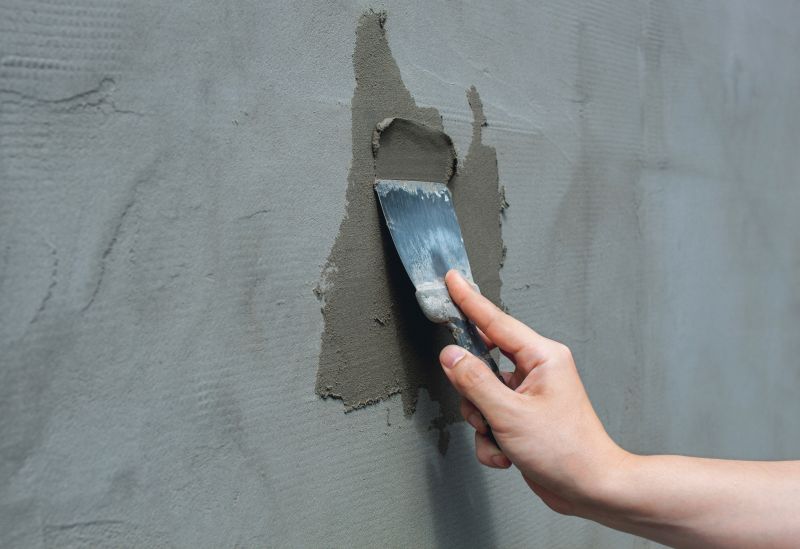
When comparing service providers for plaster patching projects, it’s important to evaluate their experience with similar types of work. Homeowners should consider how long a contractor has been performing plaster patching and whether they have handled projects comparable in size and complexity. A contractor with a proven track record in repairing walls, ceilings, or specific surface types can offer insights into their expertise and reliability, helping to ensure the results meet expectations.
Clear, written expectations are a key factor in choosing the right local contractor. Homeowners should seek detailed descriptions of the scope of work, including the materials and techniques that will be used, as well as any specific finish or appearance goals. Having these expectations documented helps prevent misunderstandings and provides a basis for evaluating the contractor’s proposal, ensuring everyone is aligned on what the project entails.
Reputable references and good communication are also essential when selecting a plaster patching professional. Homeowners can ask potential service providers for references from past clients who had similar work done, providing insight into their satisfaction and the quality of the results. Additionally, a contractor’s responsiveness and clarity in communication can indicate their professionalism and dedication to customer service. It’s important to remember that this site introduces homeowners to local options, connecting them with qualified service providers-rather than performing the work itself-making thorough research and thoughtful comparison the best approach to finding the right fit.
Property owners use Plaster Patching services for practical projects around their homes and businesses. This guide focuses on everyday jobs and straightforward project options.
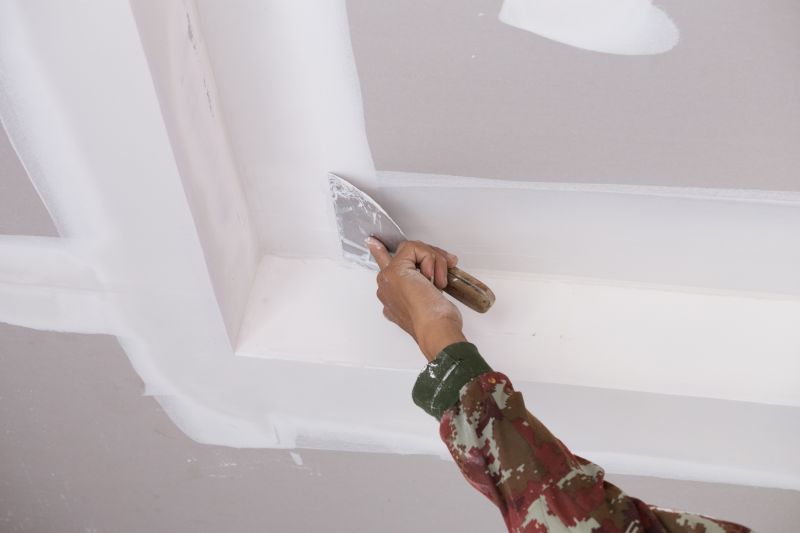
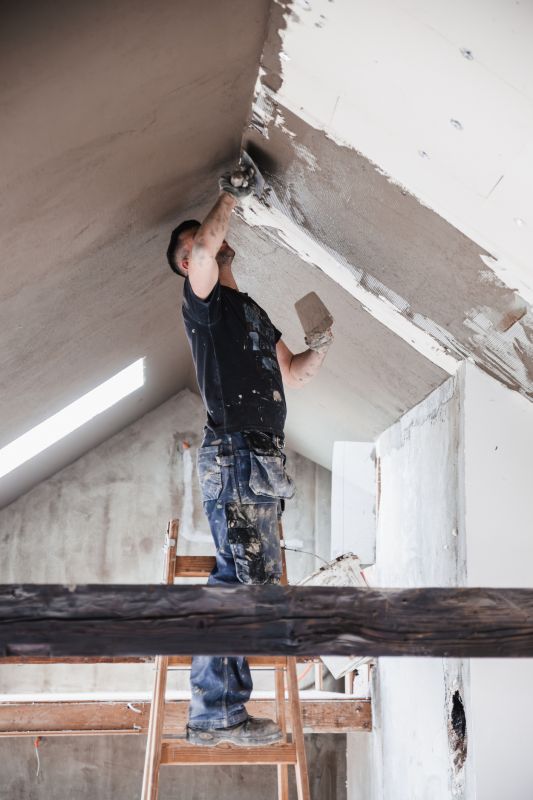
Plaster patching services are commonly sought after for everyday household repairs, such as fixing small cracks, holes, or damaged areas on interior walls. Property owners may notice unsightly blemishes or minor damage that needs quick attention to maintain the appearance and integrity of their spaces. Local contractors can provide the necessary skills to seamlessly restore wall surfaces, helping homes and businesses look their best without extensive renovation work.
In addition to cosmetic concerns, plaster patching is often needed after accidental impacts or wear and tear over time. Whether preparing a room for new paint, addressing minor damage from furniture, or repairing cracks caused by shifting structures, property owners look for reliable service providers who can handle these quick fixes efficiently. These local service providers can deliver straightforward solutions to keep walls smooth and secure, ensuring the property remains in good condition.
What types of damage can plaster patching repair? Plaster patching can address cracks, holes, and surface deterioration caused by impacts, moisture, or age-related wear.
Is plaster patching suitable for both interior and exterior walls? Yes, professional plaster patching services can be performed on interior and exterior surfaces, depending on the specific needs of the project.
What materials are used for plaster patching? Local contractors typically use a variety of materials, including joint compound, plaster mixes, and patching compounds designed for durability and seamless blending.
Can plaster patching help prevent further wall damage? Proper patching can reinforce weakened areas and help prevent further deterioration, maintaining the integrity of the wall surface.
How do local service providers ensure a smooth finish after plaster patching? Experienced contractors use techniques such as sanding and finishing to ensure the patched area blends seamlessly with the existing wall surface.
Wall Repair Solutions - Fix small holes and cracks in interior or exterior walls to maintain a clean, finished appearance.
Surface Restoration - Patch damaged or worn areas on ceilings or walls to prepare for repainting or redecorating projects.
Damage Concealment - Cover up imperfections caused by accidental impacts or minor structural issues to improve overall aesthetics.
Pre-Painting Preparation - Ensure surfaces are smooth and even before applying new paint or finishes for a professional look.
If you are thinking about Plaster Patching for a property, this guide is meant to help you understand the work, the typical project types, and how different options might fit your plans.
When you are ready, you can use the quote form on this page to share a few details about your project. From there, local pros can review the basics and respond with options that match what you have in mind.